
The Touchstone Awards for Individual Poems are bestowed annually on poems that represent noteworthy additions to English-language haiku and senryu in the estimation of a distinguished panel. The Awards are open to any English-language haiku or senryu first published in the current calendar year. For current and past award-recipients, please see the Touchstone Archive.
What Is The Haiku Foundation Touchstone Award for Individual Poems?
The Haiku Foundation, as part of its mission to expand possibilities for English-language haiku, created the Touchstone Awards Series in 2010 for individual haiku and senryu (The Touchstone Award for Individual Poems) and books (The Touchstone Distinguished Books Award). In 2022, the Touchstone Award for Individual Haibun was added to recognize individual haibun.
All awards seek to reward excellence and innovation each calendar year. Results are determined through a year-long nomination and selection process and are released the following year on April 17, International Haiku Poetry Day. Award recipients are selected by independent panels comprised of authorities in the field.
How Are Panel Members Chosen?
The panel consists of five members who are chosen by the Touchstone Awards Committee. The Committee chooses panel members who have demonstrated expertise in the haiku and senryu genres.
How Are Haiku Nominated?
Throughout the year, the Coordinator for the Touchstone Award for Individual Poems solicits nominations of haiku and senryu from journal editors and contest organizers. In addition, any individual may nominate two poems (haiku or senryu), one of which may be their own. For this award, publication is constituted by, but not limited to, first appearance in a juried or edited public venue such as a book, journal, online site, or contest. The Awards Committee reserves the right to determine whether a poem meets this criterion.
Nominations for the current year will open shortly after the previous year’s awards have been announced. Poems written by the Coordinator of the Touchstone Award for Individual Poems or any of its panelists are ineligible for nomination during their terms of service.
How Are the Winning Haiku Selected?
In the first round, the five panel members consider the entire anonymous roster and nominate ten of the most exceptional poems of their choosing. These become the Long List. In the second round, the panel discusses the merits of the long-listed poems and ranks their top selections, of which the highest-scoring poems become the Short List. In the final round, the panel discusses the merits of the short-listed poems and ranks their top selections from the Short List, of which the 5 highest-scoring poems are recognized with Touchstone Awards. Once the awarded poems have been determined, the panel members write commentaries for each. Authors and citations for winning poems are revealed to the judges along with the public.
How to Submit
The deadline for the latest Touchstone Awards for Individual Poems is December 31st of each calendar year.
You may nominate no more than two poems, only one of which may be (but does not have to be) your own work. Nominated poems must be submitted with our entry form.
Nominated poems must be submitted with our entry form.
Entry Form: Touchstone Award for Individual Poems
Editors and contest organizers: Please contact us to inquire about how to submit entries for your journal or contest.
Ethics Statement:
Each year, the Touchstone Awards (Books, Haibun, and Poems) have dedicated Coordinators. The nominations for each Award and their data (voting and panel discussion) are siloed from the other Awards and are only seen by that Award’s Coordinator.
Hence, Coordinators are eligible for Awards in the different categories in which they are not involved since they are not privy to that information. Likewise, the Committee Chair cannot access data unrelated to his Award section until the results are published.
The Panel for Award Year 2025
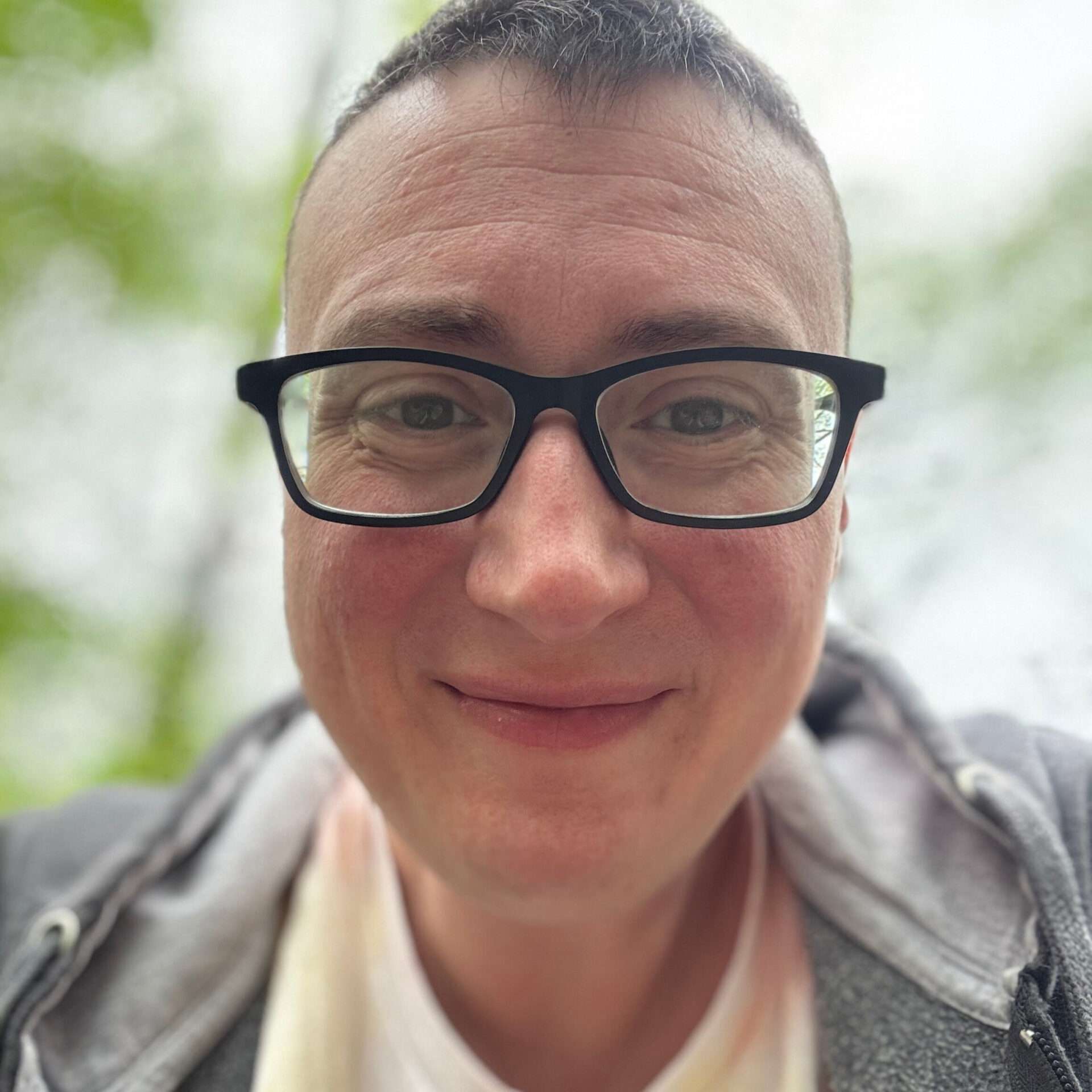
Thomas Haynes (He/They) resides in Lakewood, Ohio. He is the award-winning author of two books: leftover ribbon and After Amen: A Memoir in Two Voices (co-authored with Jonathan Roman). From 2020-2022, he served as the editor of Prune Juice Journal of Senryu and Related Forms. Currently, he assists his community as a coordinator for an urban early college opportunities program and as an ESOL instructional specialist for his local community college. He holds a Master’s degree in education where his research interests include desire-based research, queer joy, and trans experiences in education.
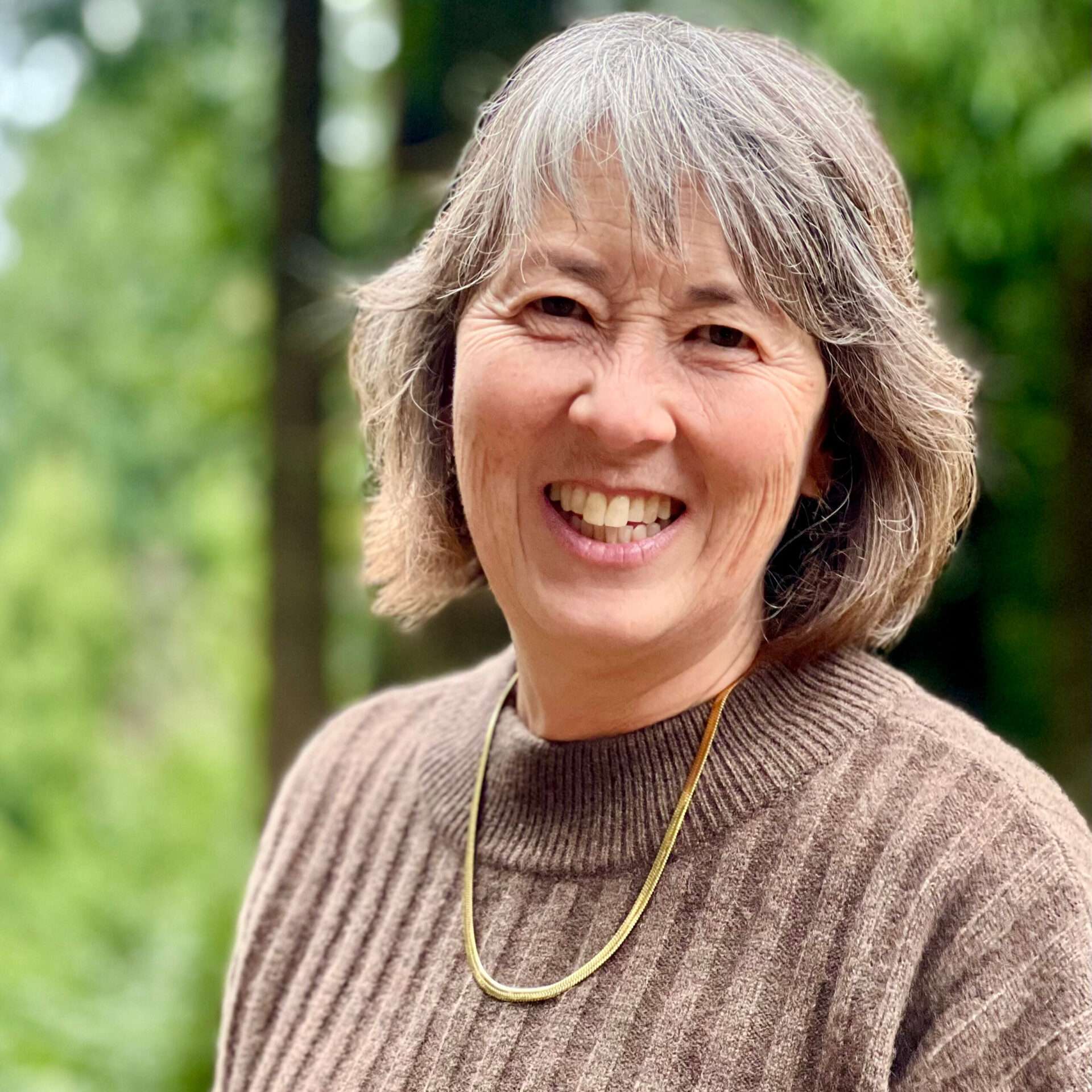
Annette Makino is a visual artist and haiku poet whose haiku have won Touchstone, Henderson, Brady, and Porad awards, among others. Her book, Water and Stone: Ten Years of Art and Haiku, was honored in the Haiku Society of America’s Merit Book Awards.
Annette is active in the haiku community, where she has served as a contest judge and haiku mentor for the Haiku Society of America, given presentations to haiku groups, and co-edited a haiku anthology. She offers her haiga and other Asian-inspired art through an art business, Makino Studios. Annette lives in Arcata, California.
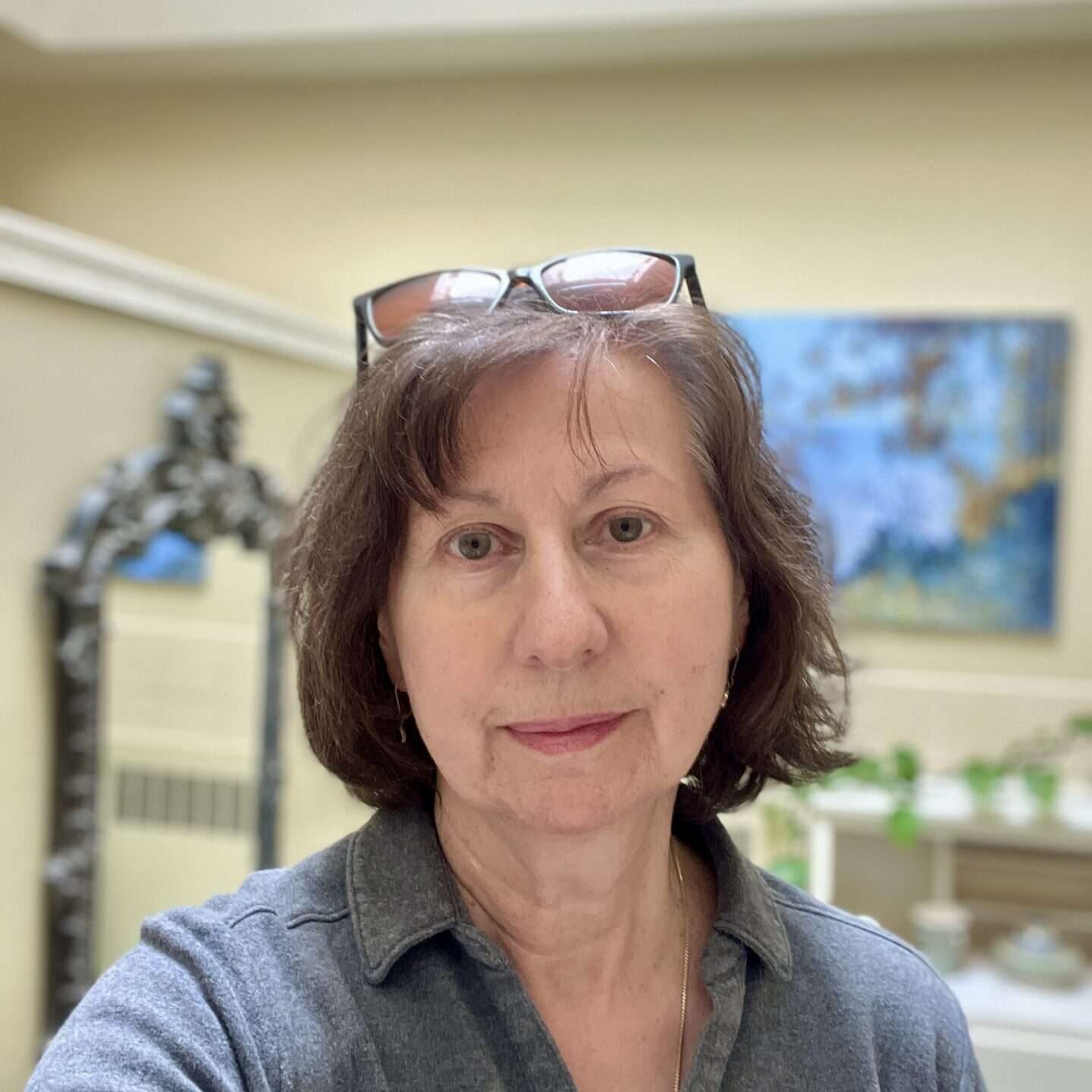
Sarah Paris is a Swiss-American poet, writer, photographer, editor, and former journalist. She co-founded and for many years led the Four Seasons Haiku Kai at Mercy Center, Burlingame. She leads writing workshops and serves as a mentor to new haiku poets. Her collection of haiku for the birds was published in 2024 by Red Moon Press. In 2021, she was awarded a first prize in
the San Francisco International Haiku, Senryu, and Tanka Contest. Currently, she serves as second vice president for the Haiku Society of America.
In addition to her widely published haiku, senryu, and haibun, she is the author of two novellas, The Hermit, and The Traveler (as Chris Solano); Waywards, a collection of short stories; and the German-language novel Ahnenbeschwörung. She lives in Santa Rosa, CA.

Dan Schwerin loves evening walks and labyrinths with his wife Julie. His poetry comes from life on a farm or making his rounds across thirty-plus years as a pastor in Wisconsin, and now as the bishop of the Northern Illinois Conference of The United Methodist Church. His debut haiku collection, ORS, from red moon press, won the Haiku Foundation’s Touchstone Award in 2016. Dan was the founder of the Haiku Waukesha study group (2015–2021); the group’s work was featured in Blossom Moon (edited by Lee Gurga and Kelly Sauvage Angel, 2020). He helped his wife Julie Schwerin establish the Words in Bloom: A Year of Haiku program at the Chicago Botanic Garden (2020–2021). You can find him on Twitter @SchwerinDan. He began writing haiku after finding an old copy of American Haiku in a northern Wisconsin library.
Mary Stevens is author of her haiku collection, enough light (Red Moon Press, 2023). She judged the Peggy Willis Lyles Awards competition in 2024, co-judged with John Stevenson the Nicholas Virgilio Haiku Contest in 2013, presented on wabi sabi at HNA in Schenectady, NY in 2015, and was co-editor of Frogpond‘s linked forms sections in 2021. She is a member of the Haiku Poets of the Garden State, the Broadmoor Haiku Collective, and the Route 9 Haiku Group. She was featured poet on Cornell University’s Mann Library Daily Haiku Page in December 2020 and won first place in the Harold G. Henderson Memorial Awards 2020, second place in the Peggy Willis Lyles Awards, 2020, and the Museum of Haiku Literature Award for Best of Issue in Frogpond, 2022. She is a freelance book indexer and owner of Look Within Indexing & Editing and lives at the foot of the Catskills in New York’s lovely Hudson Valley.