
The Touchstone Distinguished Books Award, the preeminent award in the genre, is bestowed annually on published collections of poems, or works of scholarship, that represent noteworthy contributions to English-language haiku in the estimation of a distinguished panel of poets, editors and scholars. Collections that are solely tanka are not eligible. For current and past award-recipients, please see the Touchstone Archive.
How Are Panel Members Chosen?
The panel consists of five members who are chosen by the Touchstone Awards Committee. The Committee chooses panel members who have demonstrated expertise in the haiku and senryu genres.
How Are the Winning Books Selected?
How to Submit
For Print Books: To qualify for a Touchstone Distinguished Books Award, submit six copies of the book you wish to nominate. One copy will be sent to each of the five panel members; the other will be entered into The Haiku Foundation’s permanent hard copy library. There is no reading fee. Each submitter will be recognized as a donor to the Foundation and cited on the Donation Page of the website. Award-Recipients and Honorable Mentions will be cited on The Haiku Foundation’s website. Nominated volumes should be sent to:
The Haiku Foundation
Touchstone Distinguished Books Award
PO Box 2461
Winchester VA
22604-1661 USA
For Electronic Books: To qualify for a Touchstone Distinguished Books Award, for books available in electronic format only: Email a PDF of the e-book you wish to nominate to [email protected].
For Electronic Books available in both an electronic version and book version: While we prefer and encourage the submission of print copies for the panelists to review, we realize this is not always feasible Whoever submits the book may choose which version they submit. First, email a PDF of your e-book to [email protected]. Then send the hard copy to:
The Haiku Foundation
Touchstone Distinguished Books Award
PO Box 2461
Winchester VA
22604-1661 USA
The postmark deadline for all books, whether an Electronic Book or Print Copy, is December 31 of the current calendar year.
Enquiries may be directed to this address or our Contact page.
Ethics Statement:
Each year, the Touchstone Awards (Books, Haibun, and Poems) have dedicated Coordinators. The nominations for each Award and their data (voting and panel discussion) are siloed from the other Awards and are only seen by that Award’s Coordinator.
Hence, Coordinators are eligible for Awards in the different categories in which they are not involved since they are not privy to that information. Likewise, the Committee Chair cannot access data unrelated to his Award section until the results are published.
What Books Are Eligible?
Any English-language book or other book-length production of or about haiku — print or electronic — is eligible for an award. The Distinguished Books Award is open to books published during the current calendar year. Anyone may nominate a book for the Awards. Books by the Book Awards Coordinator and panelists are not eligible.
Eligible books include:
- haiku and/or senryu collections
- haibun collections
- renku and related forms
- haiku anthologies
- haiku literary criticism
Please note haiku and/or senryu and/or haibun collections may include other forms of poetry, but at least 75% of the poems must be haiku, senryu, and/or haibun.
Ineligible books include:
- tanka collections or anthologies
- cherita collections
- other non-haiku related works
If you have a question about a book’s eligibility, use our Contact page to send us an email.
The Panel for Award Year 2025
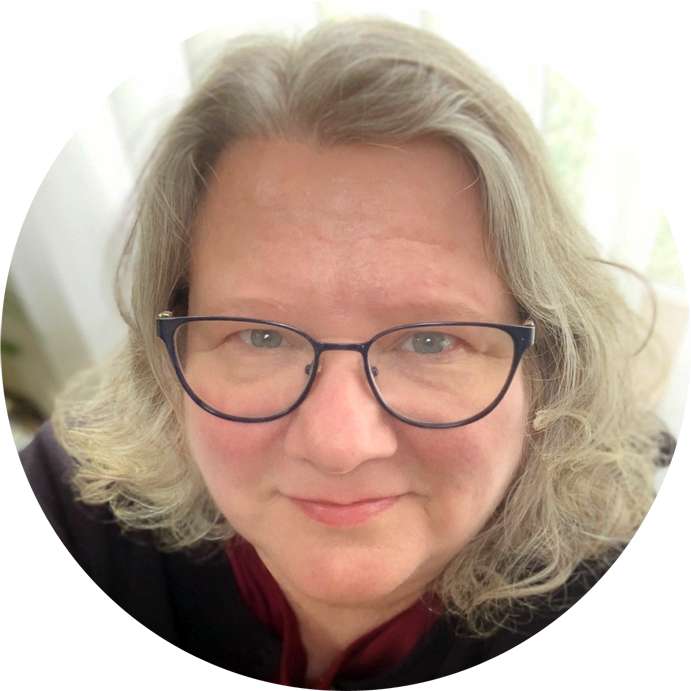
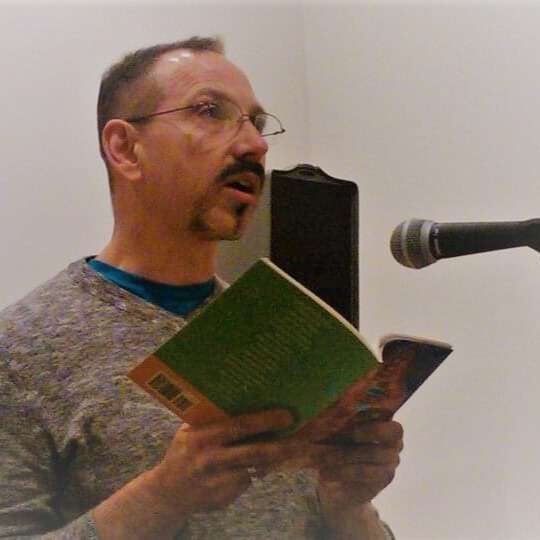
Judson Evans teaches full-time in the Liberal Arts & Sciences Dept. at Berklee College of Music, and serves as co-Editor (with Lew Watts ) of Haibun for Frogpond. He is part of The Broadmoor Haiku Collective, with whom he published what weathers/what returns, edited by Kristen Lindquist, Red Moon Press, 2023. He published a chapbook of haibun, Mortal Coil with Leap Press in 2005, and has also published two collaborative books in free-verse, Chalk Song with Susan Berger-Jones and Gale Batchelder, (Lily Poetry Press, 2022), and Gear with the accompanying book of photographs Remote Viewing by Ray Klimek (Meshwork Press, 2023).

Edward Cody Huddleston lives in Georgia and works in radio. His haiku journey began in 2011 after he pushed a book that was hanging like a loose tooth back into its place on a library shelf. The book was The Japanese Haiku by Kenneth Yasuda. He moved from Yasuda’s 5-7-5 rhyming theory of haiku composition to a modern style, composing poems that have received numerous awards and found homes in books, journals, magazines, newspapers, blogs, gardens, a museum, a sidewalk, a bridge, and a multitude of tea bottles by Ito En. His debut haiku collection, Wildflowers in a Vase, is available from Red Moon Press. You can find him on Twitter/X @echuddleston.
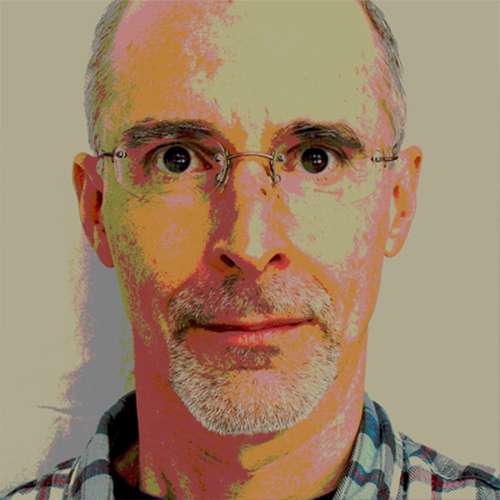
Christopher Patchel’s haiku, haibun, and haiga have appeared in leading journals, contests, and anthologies since 2000. His collection, Turn Turn, was a Touchstone Distinguished Book Award finalist. From 2016 to 2018, he served as editor of Frogpond, the journal of the Haiku Society of America. Apropos of his profession as a graphic artist, he created cover art for Frogpond from 2012 to 2018. He presently serves as managing editor for The Heron’s Nest.
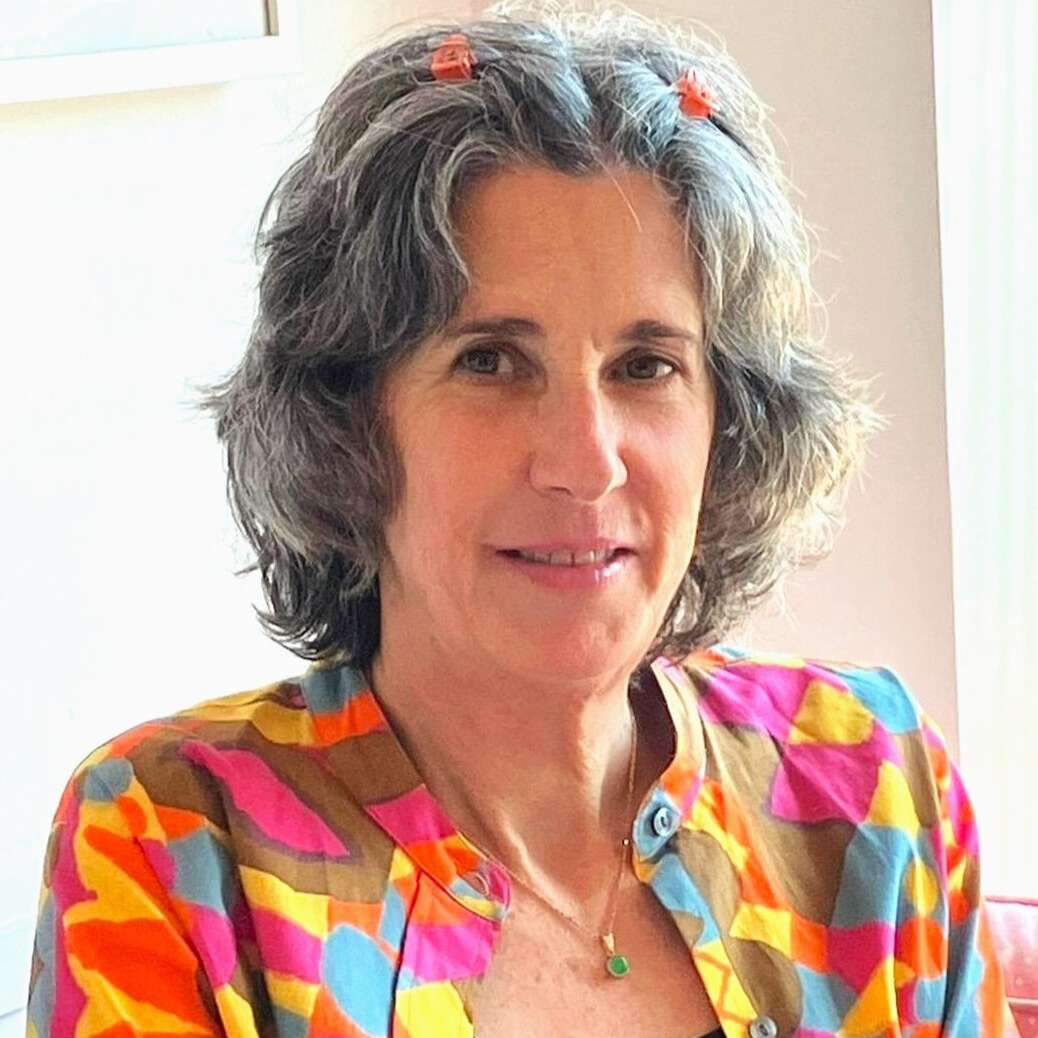
Sharon Pretti lives and writes in San Francisco, CA. Her haiku have appeared in Frogpond, Modern Haiku, Acorn, Mariposa, and other journals. She is a Touchstone individual poem award winner and was chosen as a New Resonance emerging poet in 2019. Sharon was selected as one of the poets for Open Iris, the 2018 Two Autumns Press chapbook. She had the pleasure of editing filling in the sky, the 2021 Two Autumns chapbook. In 2024, she enjoyed serving as a judge for the HSA Student Haiku Awards. Sharon is also a writer of full-length poetry, and her work has been widely published in journals including The MacGuffin, The Bellevue Literary Review, and Canary. She has earned several Pushcart Prize nominations and was included in the Best New Poets 2024 anthology. Sharon is a retired medical social worker and has taught poetry workshops in long-term care and assisted-living facilities in the San Francisco Bay Area.